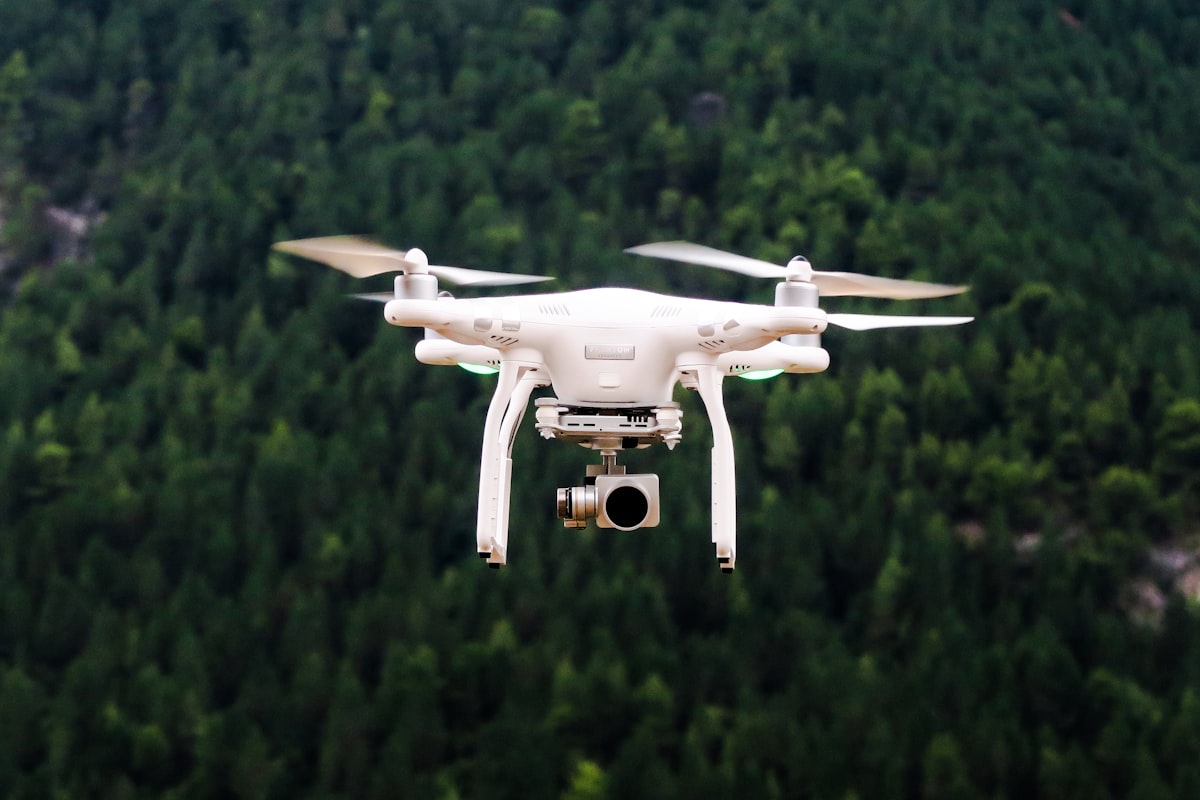
Aerial photography used to be the exclusive domain of Hollywood studios with helicopters and six-figure budgets. Today, you can capture cinematic 4K footage from a device that fits in your backpack. Drones have democratized the sky, offering a new perspective on our world that was once impossible for the average creator.
From Toy to Tool
Early consumer drones were difficult to fly, prone to crashing, and had terrible battery life. The current generation of smart drones, however, is a different beast entirely. Features like dual-band GPS positioning, optical flow sensors, and automatic return-to-home make flying accessible to complete beginners.
Why Resolution Matters
You might think "HD" is enough, but when you are filming landscapes from 400 feet up, detail is everything. A 4K camera captures four times the data of 1080p. This allows you to crop your image in post-production without losing quality, or simply display crystal-clear footage on modern large-screen TVs. Look for a drone with a large sensor size (1-inch or larger is ideal) for better low-light performance.
Stabilization is Key
A camera in the sky is subject to wind, vibration, and rapid movement. The secret sauce of modern drone footage is the gimbal. A 3-axis mechanical gimbal physically counteracts the movement of the drone, keeping the camera perfectly level. This results in that buttery-smooth, "floating" look that distinguishes professional footage from amateur shaky cam.
Intelligent Flight Modes
You don't need to be a pilot to get the shot. Modern drones come with intelligent flight modes:
- Follow Me: The drone locks onto your signal (via the remote or visual tracking) and follows you as you hike, bike, or drive.
- Orbit: Automatically circles a subject for a dramatic 360-degree reveal.
- Waypoint: Draw a path on the map app, and the drone will fly it autonomously while you focus purely on operating the camera.
Know Before You Fly
With great power comes great responsibility. Before you take off, familiarize yourself with local regulations. In many countries, you must register your drone if it weighs over 250g. Always fly below 400 feet, keep the drone within visual line of sight, and never fly near airports or emergency response efforts. Many modern drones include "Remote ID" technology, which broadcasts the drone's location to authorities, ensuring safety and accountability in the airspace.
Photography Tip: The Golden Hour
The best drone footage isn't just about the hardware; it's about the light. Plan your flights during "Golden Hour"—the hour after sunrise or the hour before sunset. The low sun creates long shadows and a warm, soft light that adds incredible depth and texture to aerial landscapes.
Ready for takeoff?
Explore our selection of smart gadgets and high-tech gear.